
The Science Behind a Good Car Wash | Wheelz Auto Detailing
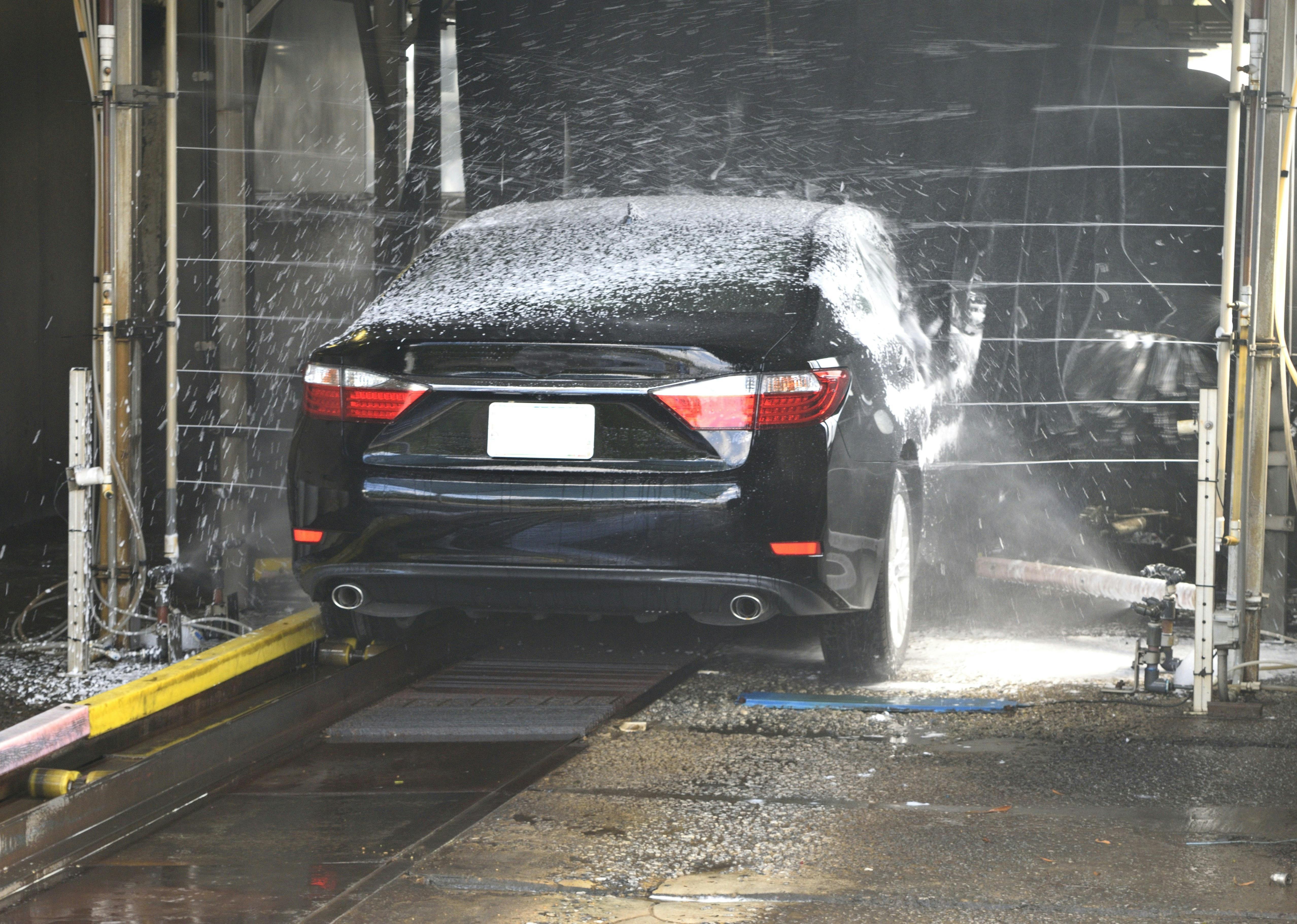
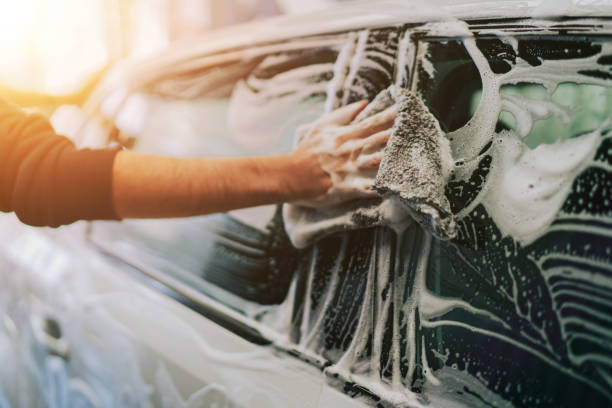
Posted by Wheelz Auto Detailing | February 17, 2025 A car wash may seem like a simple process, but there’s a lot of science behind it that can affect the outcome. From the products used to the techniques employed, each factor plays a significant role in how clean and well-maintained your vehicle will be. In this blog, we’ll dive into the science behind a quality car wash and why it’s so important to choose the right services, like those offered at Wheelz Auto Detailing. The first step in any car wash is selecting the right soap. Many standard soaps and household cleaners are too harsh for automotive paint, potentially causing damage over time. pH-balanced soaps, however, are specifically formulated to clean without harming the paint’s protective layer. At Wheelz Auto Detailing, we use only pH-balanced soaps that gently clean your car while preserving its finish. The tools used in washing—like microfiber towels, sponges, and brushes—can make or break the outcome. Abrasive materials, such as rough sponges or dirty towels, can scratch the paint, leaving swirl marks and surface damage. That’s why we ensure that all of our cleaning tools at Wheelz Auto Detailing are soft, clean, and non-abrasive, ensuring your car’s paint is treated with the utmost care. Before you even begin scrubbing your car, it’s important to thoroughly rinse it to remove loose dirt and grime. This is where water temperature comes into play. Too hot or too cold water can damage the paint or cause water spots. The optimal water temperature for a car wash is lukewarm, which helps lift dirt without causing any damage. We use high-pressure, lukewarm water during our washes to ensure maximum cleaning power without compromising your car’s finish. One common mistake people make when washing their cars is using the same bucket of water to wash and rinse the sponge or mitt. This method increases the risk of transferring dirt and debris back onto the vehicle, causing scratches. The two-bucket wash method is a more effective technique: one bucket is for soapy water, and the other is for rinsing your mitt. This reduces the likelihood of scratches and provides a more thorough clean. At Wheelz Auto Detailing, we always use the two-bucket wash method to ensure your vehicle is properly cleaned without causing damage. After washing, the drying process is equally important. Leaving water to air dry can result in unsightly water spots, which are difficult to remove. Using a soft microfiber towel to gently dry the car ensures a spotless finish without causing scratches. At Wheelz Auto Detailing, we always use plush microfiber towels to dry your car, leaving it with a shiny and streak-free appearance. At Wheelz Auto Detailing, we don’t just wash your car—we take the time and care to ensure that it is treated properly using the latest techniques and highest-quality products. Whether you’re looking for a simple exterior wash or a full detailing service, we guarantee a professional and safe wash that will leave your car looking brand new. Our team is trained to follow every step of the scientific car wash process to ensure a thorough and flawless result every time. The science behind a good car wash is more than just the tools and products you use—it’s about understanding the proper techniques and ensuring every step is done with care. A quality car wash at Wheelz Auto Detailing doesn’t just make your car look good—it protects it. With our expert services and attention to detail, your vehicle will maintain its appearance and value for years to come. Contact us today to schedule your next car wash and experience the difference at Wheelz Auto Detailing!The Science Behind a Good Car Wash: Why Quality Matters
Understanding the Car Wash Process
1. The Role of pH-Balanced Soaps
2. The Importance of Using Soft, Non-Abrasive Materials
3. Rinsing and the Right Water Temperature
4. The Two-Bucket Wash Method
5. Drying Your Car: Why It’s Crucial
Why Quality Car Washes at Wheelz Auto Detailing Matter
Additional Services We Offer
Conclusion
0 Comments